

Let's talk about one of the most frequently asked questions I get as an ESS container supplier: How much does an ESS container cost? Well, the answer isn't as straightforward as you might think. There are a bunch of factors that can affect the price tag on these high - tech powerhouses.
First off, size matters. Just like when you're buying a house or an apartment, the square footage (or in this case, the container's dimensions) plays a huge role. We've got different sizes available in the market, and each comes with its own price range. For example, a smaller ESS Container Box 10FT is going to be less expensive than a larger one. The 10 - foot container is great for smaller projects or when space is a constraint. It's more compact and requires less material, so the cost of production is relatively lower.
On the other hand, if you're looking at something more substantial like a 5MWh Container BESS 20FT, you can expect a higher price. The 20 - foot container has more capacity and can house a larger energy storage system. This means more advanced components, more powerful batteries, and better cooling and management systems to ensure everything runs smoothly. So, the increased size and capacity directly translate to an increase in cost.
The type of battery technology used in the ESS container is another crucial factor. There are different battery chemistries out there, such as lithium - ion, lead - acid, and flow batteries. Lithium - ion batteries are currently the most popular choice in the ESS market. They offer high energy density, long cycle life, and fast charging capabilities. But all these great features come at a cost. Lithium - ion battery - based ESS containers tend to be more expensive upfront compared to those using lead - acid batteries.
Lead - acid batteries, on the other hand, are cheaper. They've been around for a long time, and the technology is well - established. However, they have lower energy density and a shorter cycle life compared to lithium - ion batteries. So, while you might save some money initially with a lead - acid ESS container, you could end up spending more in the long run due to more frequent replacements.
Flow batteries are a bit of a middle ground. They offer good cycle life and can be scaled easily, which is great for large - scale energy storage projects. But the cost of flow battery systems can vary widely depending on the specific chemistry and design.

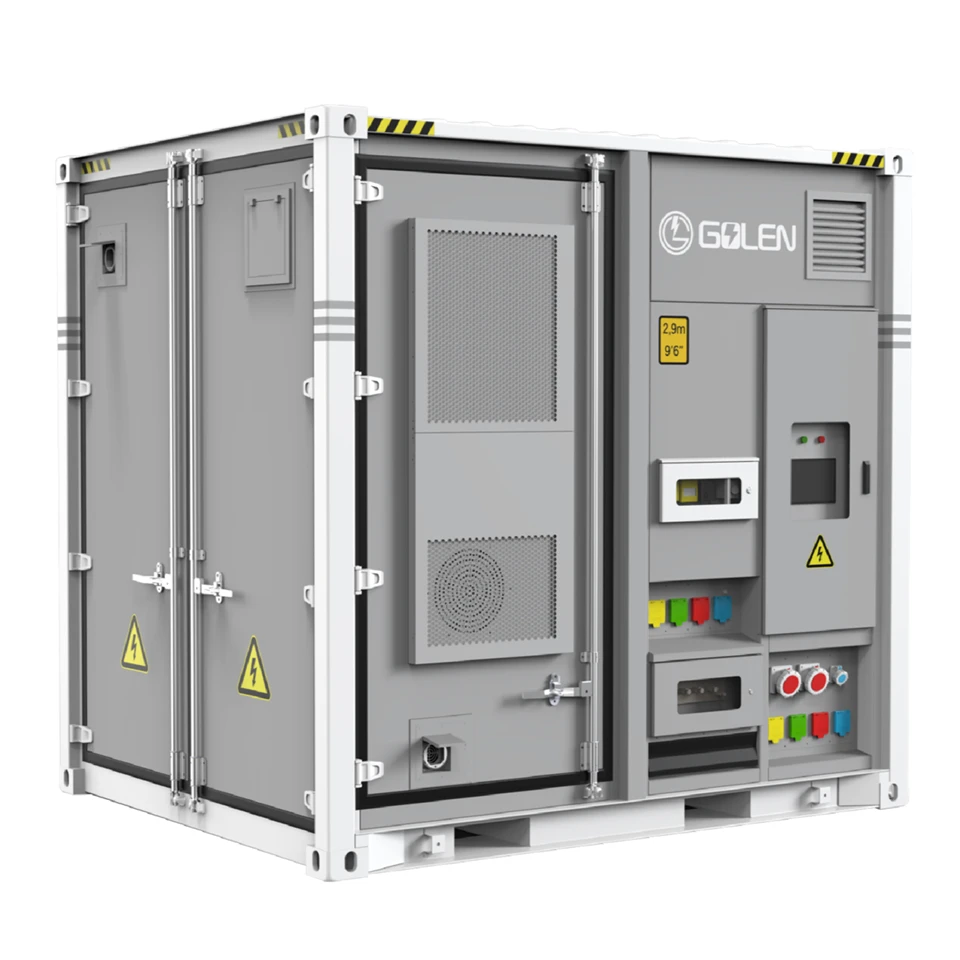
The level of integration and customization also affects the price. Some customers need a simple, off - the - shelf ESS container that can be quickly installed and connected to the grid. These standard units are generally more affordable because they're mass - produced and don't require a lot of custom work.
However, if you have a unique project with specific requirements, you're going to need a customized ESS container. Maybe you need a special cooling system to operate in a hot climate, or you want a particular monitoring and control system. Customization means more engineering work, more testing, and potentially more expensive components. So, a highly customized ESS container will cost more than a standard one.
When it comes to utility - scale projects, we're looking at a different ballgame. A Utility - Scale Mv Station is designed to handle large amounts of power and is a key part of the electrical grid infrastructure. These systems are built with the highest level of reliability and performance in mind. They often require redundant components, advanced protection systems, and complex control algorithms. As a result, utility - scale ESS containers are significantly more expensive than smaller, distributed systems.
Let's talk numbers. A basic, 10 - foot ESS container with a simple lead - acid battery system might cost anywhere from $50,000 to $100,000. This price range can vary depending on factors like the brand, the quality of components, and the level of integration.
A mid - range 20 - foot container with a lithium - ion battery system could set you back between $200,000 and $500,000. This type of container is suitable for a wide range of commercial and industrial applications, where a higher level of energy storage is required.
For utility - scale projects, the cost can go through the roof. A large - scale ESS container with a capacity of several megawatt - hours can cost millions of dollars. The exact price depends on the capacity, the battery technology, and the level of customization.
It's important to note that these are just rough estimates. The actual cost of an ESS container can vary depending on market conditions, raw material prices, and the specific requirements of your project.
If you're in the market for an ESS container, it's crucial to do your research. Look at different suppliers, compare their products and prices, and make sure you understand what you're getting for your money. Don't just focus on the upfront cost. Consider the long - term operating costs, the maintenance requirements, and the expected lifespan of the system.
At the end of the day, investing in an ESS container is a big decision. It's not just about the money; it's about finding the right solution for your energy needs. Whether you're a small business looking to reduce your electricity bills or a large utility company aiming to enhance grid stability, there's an ESS container out there for you.
If you're interested in learning more about our ESS containers or getting a quote for your project, don't hesitate to reach out. We're here to answer all your questions and help you find the perfect energy storage solution. Contact us today to start the conversation and take the first step towards a more efficient and sustainable energy future.
References:
- Industry reports on energy storage systems
- Technical specifications of different ESS container models