

Hey there, energy enthusiasts! I'm part of a team that supplies Integrated Energy Storage Systems (IESS), and I'm stoked to dig into how these amazing systems handle high - frequency load fluctuations.
Let's kick things off by understanding what high - frequency load fluctuations are. In the energy world, loads can change very rapidly. Picture a manufacturing plant that fires up a bunch of heavy - duty machines all at once, or a data center where servers suddenly ramp up their processing power. These are examples of high - frequency load fluctuations. They can be a real headache for the power grid because they can cause voltage and frequency instability, which might lead to power outages or damage to electrical equipment.
Now, that's where our Integrated Energy Storage Systems come in. An IESS is like a Swiss Army knife for the energy sector. It can store energy from various sources like solar, wind, or the grid itself and release it when needed. But how well does it perform under those pesky high - frequency load fluctuations?
Response Time
First off, response time is crucial. During high - frequency load changes, the IESS needs to react super fast. Our systems are designed with the latest power electronics and control algorithms. This allows them to detect a load change in a split - second and start supplying or absorbing power almost immediately. For instance, if there's a sudden spike in demand, the IESS can step in within milliseconds to provide the extra power. This is way faster than traditional power generation sources like coal - fired plants, which can take minutes or even hours to adjust their output.
Power Output Stability
Another key aspect is power output stability. When dealing with high - frequency load fluctuations, the IESS has to keep the power output as steady as possible. Our IESS uses advanced battery management systems (BMS) and power conversion systems (PCS). The BMS ensures that the batteries are charged and discharged evenly, preventing over - charging or over - discharging, which can reduce battery life. The PCS, on the other hand, converts the DC power from the batteries into AC power that can be used by the grid. It also regulates the voltage and frequency of the power output, making sure it matches the grid requirements.
Energy Capacity and Flexibility
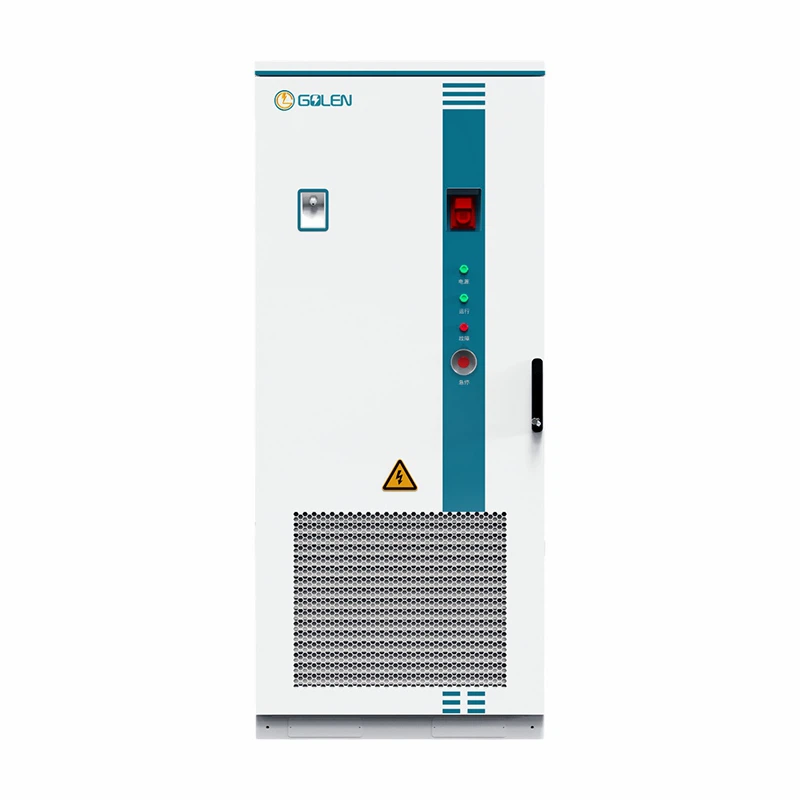
The energy capacity of an IESS is also important. A larger energy capacity means the system can handle more significant load fluctuations. Our company offers a range of IESS products with different energy capacities to suit various customer needs. For example, our Outdoor Energy Storage Cabinet 241kWh is a great option for medium - sized commercial and industrial applications. It provides a substantial amount of energy storage, allowing it to handle multiple high - frequency load changes in a row.
Moreover, the flexibility of the IESS is a huge advantage. These systems can be integrated with different types of energy sources and loads. For commercial buildings, our Commercial Energy Storage Solutions can be connected to the building's existing electrical system, the solar panels on the roof, and the grid. This way, the IESS can store excess solar energy during the day and use it to meet the building's peak demand in the evening, even when there are high - frequency load fluctuations.
Real - World Performance
Let's talk about some real - world scenarios. We've had clients in the industrial sector, specifically in the metal - working industry. These factories have a lot of high - power machines that are turned on and off frequently, causing high - frequency load fluctuations. After installing our Commercial and Industrial Energy Storage systems, they noticed a significant improvement in power stability. The voltage and frequency variations were reduced to a minimum, which led to fewer machine breakdowns and increased productivity.
In addition, some of our data center clients have also benefited from our IESS. Data centers require a constant and stable power supply to keep their servers running. High - frequency load fluctuations can cause glitches in the servers, leading to data loss or system downtime. Our IESS was able to provide a reliable power buffer, ensuring that the data centers could operate smoothly even during rapid load changes.
Cost - Effectiveness
When it comes to dealing with high - frequency load fluctuations, cost - effectiveness is a major consideration. Traditional methods of addressing load fluctuations, such as building more power plants or using grid - scale capacitors, can be very expensive. Our IESS offers a more cost - effective solution. By using energy storage, we can defer the need for new power generation infrastructure. The initial investment in an IESS may seem high, but over the long run, the savings in terms of reduced electricity bills, lower maintenance costs, and improved equipment lifespan make it a very attractive option.
Future Developments
The future of IESS in handling high - frequency load fluctuations looks bright. We're constantly researching and developing new technologies to improve the performance of our systems. For example, we're looking into using new battery chemistries that can provide higher energy density, faster charging times, and longer lifespans. We're also working on more advanced control algorithms that can predict load fluctuations even more accurately, allowing the IESS to be even more proactive in its response.
Why Choose Our IESS
So, why should you choose our Integrated Energy Storage Systems? Well, for starters, we have a proven track record of delivering high - quality products that can effectively handle high - frequency load fluctuations. Our systems are reliable, cost - effective, and highly customizable. We have a team of experts who can work with you to design the perfect IESS solution for your specific needs. Whether you're a small business, a large industrial complex, or a commercial building owner, we've got you covered.
If you're interested in learning more about how our Integrated Energy Storage Systems can help you deal with high - frequency load fluctuations, or if you want to start a discussion about a potential purchase, don't hesitate to reach out. We're here to answer all your questions and guide you through the process.
In conclusion, Integrated Energy Storage Systems are an excellent solution for handling high - frequency load fluctuations. They offer fast response times, stable power output, large energy capacities, and great flexibility. With the continuous development of technology, their performance will only get better in the future. So, if you're facing issues with high - frequency load changes in your energy system, it's time to consider an IESS.

References
- Smith, J. (2020). Energy Storage Technologies for Grid Stability. Energy Journal.
- Johnson, A. (2021). High - Frequency Load Fluctuations and Their Impact on the Power Grid. Power Systems Review.
- Brown, C. (2022). Integrated Energy Storage Systems: A Solution for Modern Energy Challenges. Energy Solutions Magazine.