

In recent years, the global demand for sustainable energy solutions has been on the rise, driven by the urgent need to combat climate change and reduce reliance on fossil fuels. Among the various technologies emerging to meet this demand, Commercial and Industrial Energy Storage Systems (C&I ESS) have gained significant attention. As a C&I ESS supplier, I have witnessed firsthand the potential of these systems to revolutionize the energy landscape for businesses. In this blog, I will explore whether C&I ESS is a sustainable energy solution, examining its benefits, challenges, and real - world applications.
The Concept of C&I ESS
C&I ESS refers to energy storage systems designed specifically for commercial and industrial facilities. These systems are capable of storing electrical energy during periods of low demand or high renewable energy generation and releasing it when needed. This stored energy can be used to power operations, reduce peak - time electricity consumption, and enhance the reliability of the power supply.
The basic components of a C&I ESS typically include batteries (such as lithium - ion batteries, which are widely used due to their high energy density and long cycle life), power conversion systems (PCS) that convert direct current (DC) from the batteries to alternating current (AC) for use in the facility, and a management system that controls the charging and discharging of the batteries.
Benefits of C&I ESS as a Sustainable Energy Solution
1. Integration of Renewable Energy
One of the most significant advantages of C&I ESS is its ability to integrate renewable energy sources, such as solar and wind, into commercial and industrial operations. Renewable energy generation is often intermittent, as it depends on weather conditions. For example, solar power is only generated during daylight hours, and wind power varies depending on wind speed. C&I ESS can store excess energy generated during peak production times and release it when renewable energy generation is low. This not only maximizes the use of renewable energy but also reduces the need for backup power from traditional fossil - fuel - based sources.
2. Peak Shaving and Load Management
Commercial and industrial facilities often face high electricity costs during peak demand periods. C&I ESS can be used for peak shaving, which involves discharging stored energy during peak demand hours to reduce the facility's electricity consumption from the grid. This not only lowers electricity bills but also helps to relieve stress on the grid. By managing the load more effectively, C&I ESS can contribute to a more stable and efficient power grid.

3. Energy Independence and Resilience
C&I ESS provides commercial and industrial facilities with a degree of energy independence. In the event of a power outage, the stored energy in the ESS can be used to keep critical operations running. This is particularly important for industries where downtime can result in significant financial losses, such as data centers, manufacturing plants, and healthcare facilities. Additionally, by reducing reliance on the grid, C&I ESS enhances the resilience of businesses against power disruptions caused by natural disasters, grid failures, or other unforeseen events.
4. Environmental Benefits
By enabling greater use of renewable energy and reducing reliance on fossil fuels, C&I ESS helps to reduce greenhouse gas emissions. The use of lithium - ion batteries in C&I ESS also has a relatively low carbon footprint compared to traditional energy storage methods. As the technology continues to develop, the environmental impact of C&I ESS is expected to further decrease.
Real - World Applications
The practical applications of C&I ESS are diverse and widespread. For example, in the manufacturing sector, C&I ESS can be used to power machinery during peak production times, reducing the cost of electricity. In the data center industry, where a constant and reliable power supply is crucial, C&I ESS can provide backup power in case of grid outages, ensuring that servers continue to operate without interruption.
Moreover, many commercial buildings, such as shopping malls and office complexes, are installing C&I ESS to manage their energy consumption more efficiently. These systems can store energy during off - peak hours when electricity is cheaper and use it during peak hours, resulting in significant cost savings.
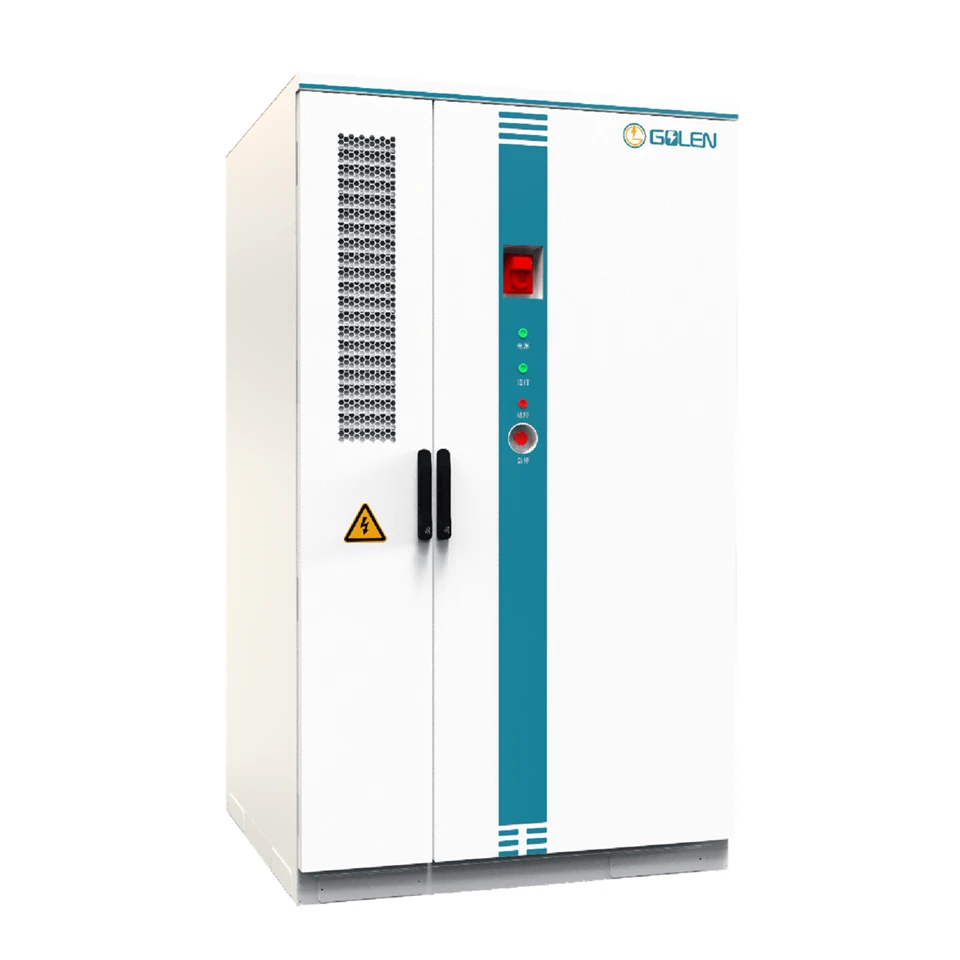
We offer a range of C&I ESS products, including the Outdoor Energy Storage Cabinet 241kWh, the Commercial and Industrial Energy Storage, and the Outdoor ESS Cabinet 418kWh. These products are designed to meet the diverse needs of commercial and industrial customers, providing reliable and efficient energy storage solutions.
Challenges Faced by C&I ESS
1. High Initial Investment
One of the main challenges of C&I ESS is the high initial cost of installation. The purchase and installation of batteries, power conversion systems, and management systems can be expensive, which may deter some businesses from adopting this technology. However, as the technology matures and economies of scale are achieved, the cost of C&I ESS is expected to decrease over time.
2. Battery Degradation
Batteries used in C&I ESS have a limited lifespan, and their performance degrades over time. This means that batteries need to be replaced periodically, which adds to the long - term cost of the system. Research is ongoing to develop more durable and long - lasting batteries to address this issue.
3. Regulatory and Policy Uncertainty
The regulatory environment for C&I ESS is still evolving in many regions. Uncertainty about policies, incentives, and grid connection rules can make it difficult for businesses to make investment decisions. Governments need to provide clear and stable policies to encourage the widespread adoption of C&I ESS.
The Future of C&I ESS
Despite the challenges, the future of C&I ESS looks promising. The increasing demand for sustainable energy solutions, combined with technological advancements, is likely to drive the growth of the C&I ESS market. As the cost of batteries continues to decline and battery technology improves, C&I ESS will become more accessible and cost - effective for businesses.
In addition, the integration of C&I ESS with smart grid technologies and the Internet of Things (IoT) will enable more intelligent and efficient energy management. For example, C&I ESS can be connected to a smart grid, allowing for real - time monitoring and control of energy storage and consumption.
Conclusion
In conclusion, C&I ESS is a sustainable energy solution with significant potential. It offers numerous benefits, including the integration of renewable energy, peak shaving, energy independence, and environmental benefits. While there are challenges such as high initial investment, battery degradation, and regulatory uncertainty, the future of C&I ESS looks bright.
As a C&I ESS supplier, we are committed to providing high - quality, reliable, and cost - effective energy storage solutions for commercial and industrial customers. If you are interested in exploring how C&I ESS can benefit your business, we invite you to contact us for a consultation and to discuss your specific energy storage needs.
References
- IEA. (2021). Energy Storage Market Report. International Energy Agency.
- BloombergNEF. (2022). Battery Energy Storage Outlook. Bloomberg New Energy Finance.
- Navigant Research. (2020). Commercial and Industrial Energy Storage Systems Market Forecast. Navigant Research.