

As a supplier of Integrated Energy Storage Systems (IESS), I've seen firsthand how these systems play a crucial role in grid stability. In this blog, I'll share my insights on how IESS contributes to a more stable and reliable power grid.
Understanding the Basics of Grid Stability
Before we dive into how IESS helps, let's quickly go over what grid stability means. The power grid is like a giant balancing act. It needs to supply electricity to consumers exactly when they need it, and the amount of power generated must match the demand at all times. Any imbalance can lead to voltage fluctuations, power outages, or even damage to the grid infrastructure.
Grid stability is affected by various factors, such as the variability of renewable energy sources like solar and wind, sudden changes in electricity demand, and the aging of grid infrastructure. These challenges make it increasingly important to have effective solutions to maintain a stable grid.
How IESS Contributes to Grid Stability
1. Balancing Supply and Demand
One of the primary ways IESS contributes to grid stability is by balancing the supply and demand of electricity. Renewable energy sources like solar and wind are intermittent, meaning they don't produce power consistently. For example, solar panels only generate electricity during the day, and wind turbines depend on the wind blowing.
IESS can store excess electricity when the supply is high, such as during sunny days or windy periods, and release it when the demand is high or when the renewable energy generation is low. This helps to smooth out the fluctuations in power supply and ensure a more stable flow of electricity to the grid.
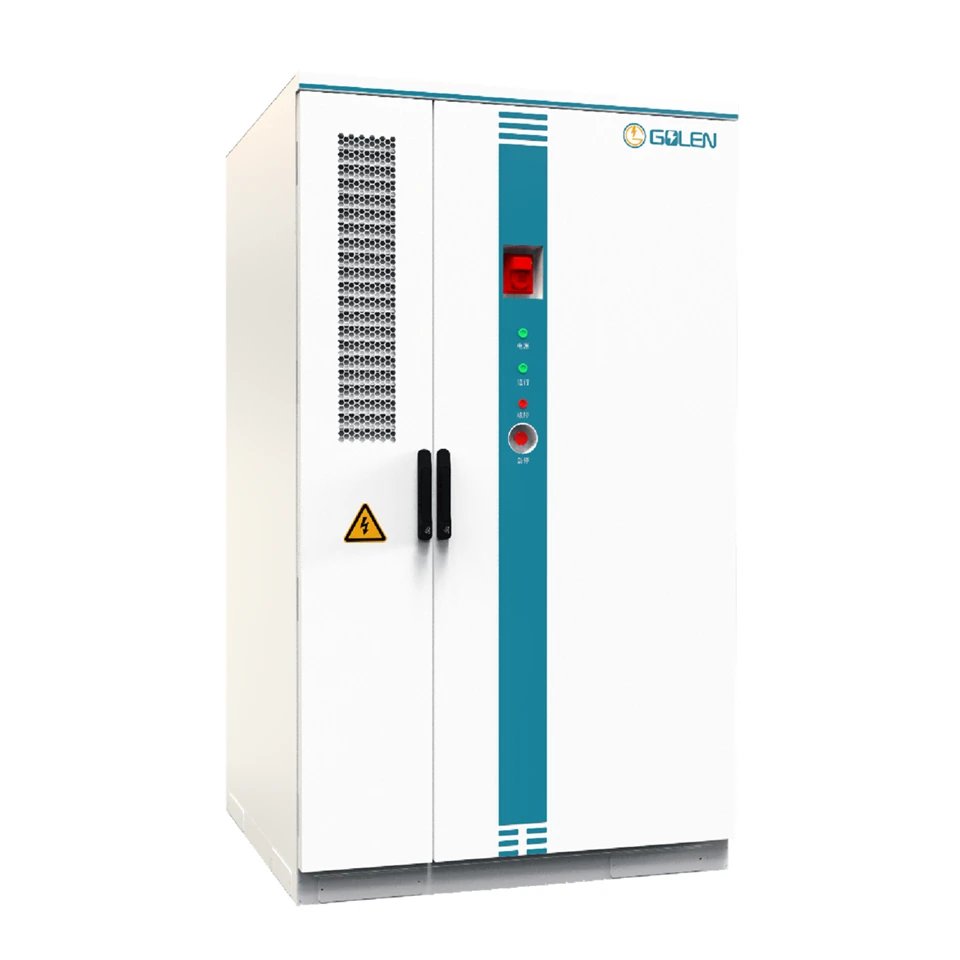
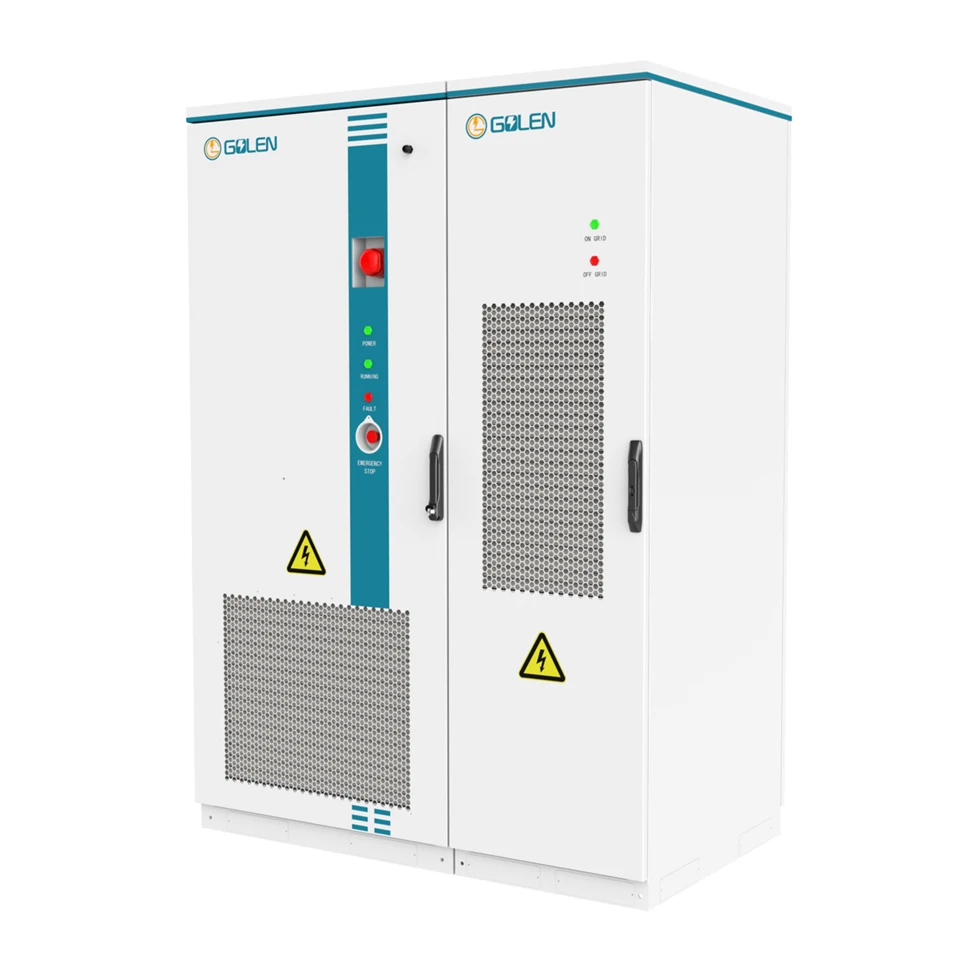
Our Commercial PV ESS Cabinet 241kWh is a great example of an IESS that can effectively balance supply and demand. It can store a significant amount of energy from solar panels during the day and release it at night or during peak demand periods, reducing the strain on the grid.
2. Frequency Regulation
Another important aspect of grid stability is frequency regulation. The frequency of the electricity on the grid needs to be maintained at a constant level (usually 50 or 60 Hz, depending on the region). Any deviation from this frequency can cause problems for electrical equipment and disrupt the normal operation of the grid.
IESS can help regulate the frequency of the grid by quickly injecting or absorbing power as needed. When the frequency drops, the IESS can release stored energy to increase the power supply and bring the frequency back to the normal level. Conversely, when the frequency is too high, the IESS can absorb excess power to reduce the supply and stabilize the frequency.
Our Outdoor ESS Cabinet 418kWh is designed to provide fast and accurate frequency regulation. It can respond to frequency changes within milliseconds, ensuring a stable and reliable grid.
3. Voltage Support
Voltage stability is also crucial for the proper functioning of the grid. Fluctuations in voltage can damage electrical equipment and cause power outages. IESS can help maintain a stable voltage by providing reactive power support.
Reactive power is necessary for the operation of electrical devices, but it doesn't do any useful work. IESS can store and release reactive power as needed to maintain the voltage within the acceptable range. This helps to prevent voltage sags and swells, ensuring a high-quality power supply to consumers.
Our Commercial Outdoor Cabinet ESS 261kWh is equipped with advanced voltage support capabilities. It can automatically adjust the reactive power output to maintain a stable voltage, even under challenging grid conditions.
4. Backup Power and Resilience
In addition to improving grid stability, IESS can also provide backup power in case of power outages. This is especially important for critical facilities such as hospitals, data centers, and emergency services.
During a power outage, the IESS can quickly switch to provide power to the connected loads, ensuring continuous operation. This helps to minimize the impact of power outages on businesses and communities, and enhances the overall resilience of the grid.
Real-World Examples
There are many real-world examples of how IESS has contributed to grid stability. For instance, in some regions with a high penetration of renewable energy, IESS has been used to store excess solar and wind energy during the day and release it at night, reducing the need for fossil fuel-based power generation and improving the overall efficiency of the grid.
In another case, an IESS was installed in a remote area to provide backup power and improve the reliability of the local grid. The system was able to store energy from a small hydroelectric plant and release it during periods of high demand or when the hydroelectric plant was not operating, ensuring a stable power supply to the community.
The Future of IESS and Grid Stability
As the demand for electricity continues to grow and the share of renewable energy in the grid increases, the role of IESS in grid stability will become even more important. In the future, we can expect to see more advanced IESS technologies that are more efficient, reliable, and cost-effective.
For example, new battery chemistries are being developed that can store more energy and have a longer lifespan. These batteries will enable IESS to provide even greater support for grid stability and help to integrate more renewable energy into the grid.
Contact Us for Your IESS Needs
If you're interested in learning more about how our Integrated Energy Storage Systems can contribute to grid stability and meet your specific energy needs, we'd love to hear from you. Whether you're a utility company, a commercial or industrial customer, or a renewable energy developer, our team of experts can provide you with customized solutions and support.
Don't hesitate to reach out to us to discuss your requirements and explore the possibilities of using IESS to improve the stability and reliability of your power grid.
References
- DOE. (2023). Energy Storage for the Electric Grid. U.S. Department of Energy.
- IEA. (2023). Energy Storage Market Report. International Energy Agency.