

Hey there! I'm a supplier of residential Energy Storage Systems (ESS), and I often get asked if these systems can be used in cold climates. It's a valid question, and today, I'm gonna break it down for you.
First off, let's talk about why cold climates pose a challenge for residential ESS. Batteries, which are the heart of these systems, are sensitive to temperature. In cold weather, the chemical reactions inside the battery slow down. This means that the battery's ability to charge and discharge efficiently is reduced. For instance, a lithium - ion battery, which is commonly used in residential ESS, can experience a significant drop in capacity when the temperature drops below freezing.
But don't worry! Just because there are challenges doesn't mean it's impossible to use a residential ESS in cold climates. There are several ways to overcome these issues.
One of the key solutions is thermal management. Many modern residential ESS come with built - in thermal management systems. These systems can heat the battery when it gets too cold, ensuring that the battery operates within an optimal temperature range. For example, some ESS use resistive heating elements to warm up the battery cells. This way, even in frigid temperatures, the battery can still function properly and maintain its performance.
Another aspect to consider is the type of battery used. Different battery chemistries have different temperature tolerances. For example, lead - acid batteries are known to be more tolerant of cold temperatures compared to some other types. However, they also have some drawbacks, such as lower energy density. Lithium - ion batteries, on the other hand, offer high energy density but are more sensitive to cold. Some manufacturers are now developing new lithium - ion chemistries that are more cold - resistant.
Now, let me tell you about some of the products we offer that are suitable for cold climates. We have the Scalable Residential ESS Low - Voltage. This system is designed with advanced thermal management features. It can adapt to different temperature conditions, including cold climates. The scalability of this system also allows you to customize the storage capacity according to your needs.
Our 10.24kWh Off - Grid Stacking ALL - IN - ONE is another great option. It's a self - contained system that can be easily installed in off - grid locations, even in cold areas. The all - in - one design simplifies the installation process, and its robust construction ensures reliable performance in harsh weather conditions.
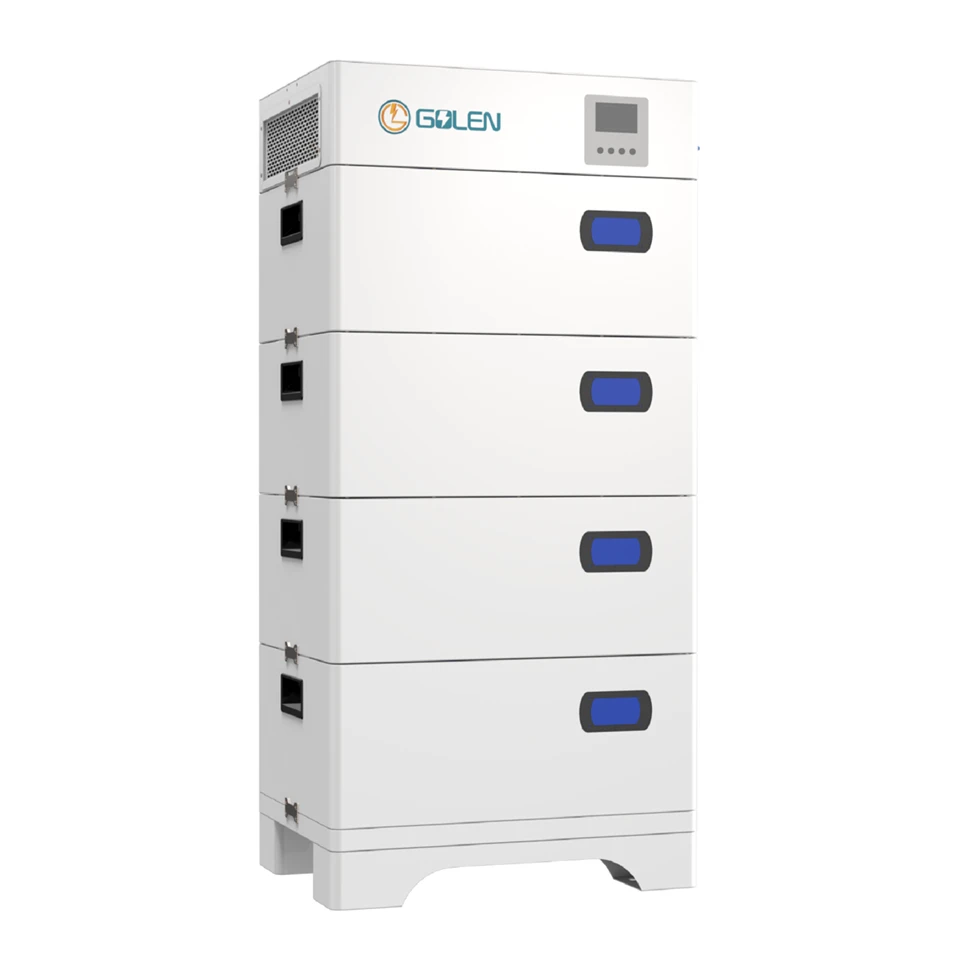

If you're looking for a more modular approach, our Modular Home Battery Storage is a perfect choice. You can add or remove battery modules as your energy needs change. This flexibility is especially useful in cold climates, where energy consumption may vary throughout the year.
When it comes to installation in cold climates, there are a few things to keep in mind. First, make sure the ESS is installed in a well - insulated area. This can help protect the battery from extreme cold. You might also want to consider installing the system indoors or in a climate - controlled shed. Additionally, regular maintenance is crucial. Check the battery's temperature, charge level, and overall condition regularly to ensure optimal performance.
In terms of performance in cold climates, it's important to set realistic expectations. While modern ESS can handle cold temperatures better than ever before, there will still be some reduction in performance compared to warmer conditions. However, with proper thermal management and system design, the impact can be minimized.
Let's also talk about the cost. Using a residential ESS in cold climates may require some additional investment. The cost of thermal management systems, for example, can add to the overall price. But when you consider the long - term benefits, such as energy independence and potential savings on electricity bills, it can be a worthwhile investment.
In conclusion, a residential ESS can definitely be used in cold climates. With the right technology, proper installation, and regular maintenance, you can enjoy the benefits of energy storage even in the coldest of winters.
If you're interested in learning more about our residential ESS products or have any questions about using them in cold climates, don't hesitate to reach out. We're here to help you make the best decision for your energy needs. Whether you're looking to power your home during a power outage or reduce your reliance on the grid, our team of experts can guide you through the process.
References:
- Industry reports on battery performance in cold climates
- Technical specifications of our residential ESS products