

As a supplier of home energy batteries, I've witnessed firsthand the transformative impact these systems can have on a household's energy consumption and costs. One of the most significant advantages of a home energy battery is its ability to interact with time-of-use (TOU) electricity rates, allowing homeowners to optimize their energy usage and save money. In this blog post, I'll delve into how a home energy battery interacts with TOU rates and why it's a game-changer for residential energy management.
Understanding Time-of-Use Electricity Rates
Time-of-use electricity rates are a pricing model where the cost of electricity varies based on the time of day. Utility companies typically divide the day into different periods, such as peak, off-peak, and shoulder hours. Peak hours are when electricity demand is highest, usually during the late afternoon and early evening, and rates are at their highest. Off-peak hours, on the other hand, are when demand is lowest, often during the late night and early morning, and rates are significantly lower. Shoulder hours fall between peak and off-peak periods and have intermediate rates.
The goal of TOU rates is to encourage consumers to shift their electricity usage from peak to off-peak hours, thereby reducing the overall demand on the grid during high-demand periods. This helps utility companies manage their resources more efficiently and can lead to a more stable and reliable energy supply.
How Home Energy Batteries Work
A home energy battery is a rechargeable energy storage system that stores electricity generated from renewable sources, such as solar panels, or from the grid during off-peak hours. The battery can then be used to power a home during peak hours or when the grid is down, providing a reliable and cost-effective alternative to traditional grid electricity.
When a home is equipped with solar panels, the excess electricity generated during the day can be stored in the battery instead of being sent back to the grid. This stored energy can then be used to power the home in the evening when the sun goes down and electricity rates are typically higher. Similarly, if a home is not equipped with solar panels, the battery can be charged from the grid during off-peak hours when electricity rates are low and then used to power the home during peak hours when rates are high.
Interacting with Time-of-Use Electricity Rates
The interaction between a home energy battery and TOU electricity rates is based on the principle of energy arbitrage. Energy arbitrage involves buying electricity when it's cheap and selling or using it when it's expensive. In the context of a home energy battery, this means charging the battery during off-peak hours when electricity rates are low and discharging the battery during peak hours when rates are high.
Here's a step-by-step breakdown of how a home energy battery interacts with TOU electricity rates:
- Monitoring TOU Rates: The first step in optimizing the use of a home energy battery is to monitor the TOU rates set by the utility company. This can be done through a smart energy management system or by manually checking the utility company's website. By knowing when the peak, off-peak, and shoulder hours are, homeowners can program their battery to charge and discharge at the most cost-effective times.
- Charging the Battery: Once the TOU rates are known, the battery can be programmed to charge during off-peak hours. If a home is equipped with solar panels, the battery can be charged with the excess solar energy generated during the day. If not, the battery can be charged from the grid during off-peak hours when electricity rates are low.
- Discharging the Battery: During peak hours, when electricity rates are high, the battery can be discharged to power the home. This reduces the amount of electricity that needs to be purchased from the grid during peak hours, resulting in significant cost savings.
- Optimizing Energy Usage: In addition to charging and discharging the battery at the right times, homeowners can also optimize their energy usage by shifting their electricity-intensive activities, such as running the dishwasher or doing laundry, to off-peak hours. This further reduces the overall electricity consumption during peak hours and maximizes the cost savings.
Benefits of Using a Home Energy Battery with TOU Rates
There are several benefits to using a home energy battery in conjunction with TOU electricity rates:
- Cost Savings: By charging the battery during off-peak hours and using it to power the home during peak hours, homeowners can significantly reduce their electricity bills. The savings can be especially significant for homes with high electricity consumption or for those located in areas with large differences between peak and off-peak electricity rates.
- Energy Independence: A home energy battery provides a reliable and independent source of electricity, reducing the reliance on the grid. This is particularly important during power outages or emergencies when the grid may be down.
- Environmental Benefits: By storing and using renewable energy, such as solar power, a home energy battery can help reduce a household's carbon footprint and contribute to a more sustainable energy future.
- Grid Support: By shifting electricity usage from peak to off-peak hours, home energy batteries can help reduce the overall demand on the grid during high-demand periods. This can help utility companies manage their resources more efficiently and can lead to a more stable and reliable energy supply.
Our Home Energy Battery Products
At our company, we offer a range of high-quality home energy battery products that are designed to work seamlessly with TOU electricity rates. Our products include the Off-Grid Stacking ALL-IN-ONE, the On/Off Grid Residential Hybrid Inverter, and the Hybrid Off Grid Inverter 3kW.

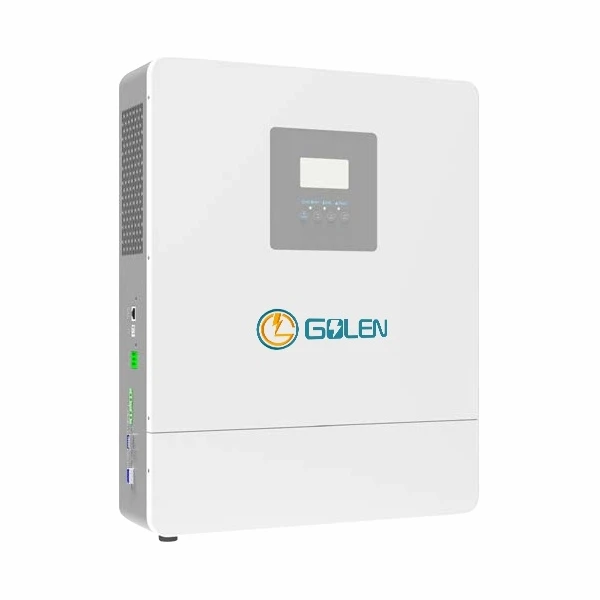
These products are equipped with advanced energy management systems that allow homeowners to easily monitor and control their energy usage, charge and discharge the battery at the most cost-effective times, and optimize their energy consumption based on TOU rates. Our products are also designed to be reliable, efficient, and easy to install, making them a great choice for homeowners looking to reduce their electricity bills and increase their energy independence.
Conclusion
In conclusion, a home energy battery is a powerful tool for homeowners looking to optimize their energy usage and save money on their electricity bills. By interacting with TOU electricity rates, a home energy battery can help homeowners charge the battery during off-peak hours when electricity rates are low and use it to power the home during peak hours when rates are high. This not only results in significant cost savings but also provides a reliable and independent source of electricity, reduces a household's carbon footprint, and helps support the grid.
If you're interested in learning more about our home energy battery products or how they can help you save money on your electricity bills, please don't hesitate to contact us. We'd be happy to answer any questions you may have and help you find the right solution for your home.
References
- California Public Utilities Commission. (n.d.). Time-of-Use Rates. Retrieved from https://www.cpuc.ca.gov/industries-and-topics/electrical-energy/electric-rates/time-of-use-rates
- U.S. Department of Energy. (n.d.). Home Energy Storage. Retrieved from https://www.energy.gov/energysaver/home-energy-storage
- National Renewable Energy Laboratory. (n.d.). Energy Storage for the Grid. Retrieved from https://www.nrel.gov/analysis/energy-storage-grid.html