

In the dynamic landscape of the energy storage industry, Commercial and Industrial (C&I) Energy Storage Systems (ESS) have emerged as a pivotal solution for businesses aiming to optimize their energy consumption, enhance grid stability, and mitigate the impacts of power outages. As a seasoned C&I ESS price supplier, I've witnessed firsthand the growing interest in large-scale C&I ESS projects. One question that frequently arises among potential clients is, "Do large-scale C&I ESS projects get a more favorable price?" In this blog, we'll delve into the factors influencing the pricing of C&I ESS projects and explore whether size truly translates to cost advantages.
Understanding the Pricing Dynamics of C&I ESS Projects
The pricing of C&I ESS projects is a complex interplay of various factors, including the system's capacity, technology, installation requirements, and market conditions. Unlike residential energy storage systems, which are typically standardized and have a relatively straightforward pricing structure, C&I ESS projects are often customized to meet the specific needs of each business. This customization can lead to significant variations in pricing, making it challenging for businesses to compare quotes from different suppliers.
One of the primary factors influencing the price of a C&I ESS project is the system's capacity. Generally, larger systems have a higher upfront cost due to the increased amount of energy storage equipment required. However, the cost per kilowatt-hour (kWh) of storage often decreases as the system's capacity increases. This phenomenon, known as economies of scale, is a key driver behind the potential cost advantages of large-scale C&I ESS projects.
Economies of Scale in C&I ESS Projects
Economies of scale refer to the cost advantages that a business can achieve by increasing the scale of its production or operations. In the context of C&I ESS projects, economies of scale can manifest in several ways:
Bulk Purchasing
One of the most significant cost savings associated with large-scale C&I ESS projects is the ability to purchase energy storage equipment in bulk. When purchasing a large quantity of batteries, inverters, and other components, suppliers can negotiate better prices with manufacturers, resulting in lower costs per unit. Additionally, bulk purchasing can reduce shipping and handling costs, further enhancing the cost savings.
Shared Infrastructure and Installation Costs
Large-scale C&I ESS projects often require the installation of shared infrastructure, such as electrical switchgear, transformers, and monitoring systems. By spreading these costs across a larger system, businesses can achieve significant savings compared to installing multiple smaller systems. Additionally, the installation process for a single large-scale system is often more efficient than installing multiple smaller systems, resulting in lower labor costs.
Operational and Maintenance Efficiencies
Large-scale C&I ESS projects can also benefit from operational and maintenance efficiencies. With a single large system, businesses can simplify their energy management processes and reduce the need for multiple monitoring and control systems. Additionally, maintenance and repair costs are often lower for larger systems, as technicians can service a single system more efficiently than multiple smaller systems.
Case Studies: Real-World Examples of Cost Savings in Large-Scale C&I ESS Projects
To illustrate the potential cost savings associated with large-scale C&I ESS projects, let's look at a few real-world examples:
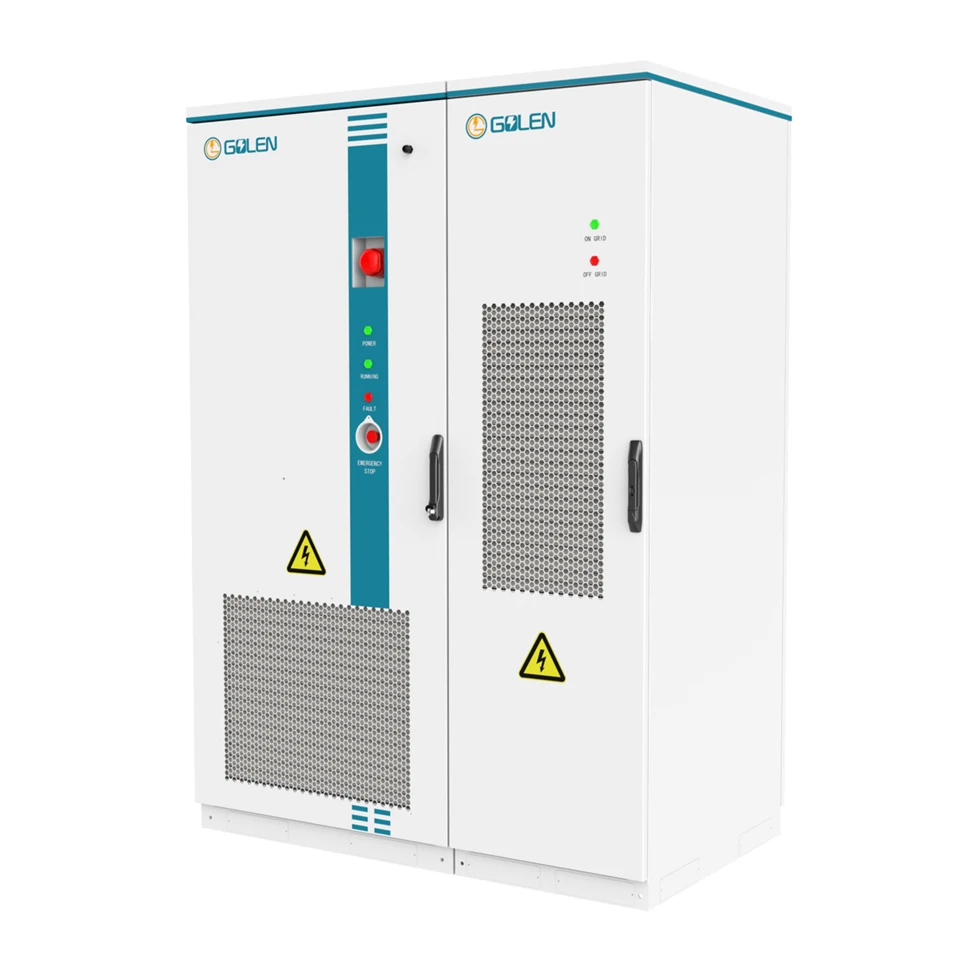

Case Study 1: A Large Manufacturing Facility
A large manufacturing facility in the Midwest was experiencing significant peak demand charges on their electricity bill. To mitigate these charges, the facility decided to install a large-scale C&I ESS system with a capacity of 500 kWh. By purchasing the energy storage equipment in bulk and sharing the installation costs across the entire system, the facility was able to achieve a cost per kWh of storage that was 20% lower than the average cost of a comparable smaller system. Additionally, the facility was able to reduce its peak demand charges by 30%, resulting in significant cost savings over the system's lifespan.
Case Study 2: A Commercial Office Building
A commercial office building in downtown Los Angeles was looking for a way to reduce its carbon footprint and increase its energy resilience. The building decided to install a large-scale C&I ESS system with a capacity of 250 kWh. By leveraging economies of scale in the purchasing and installation of the system, the building was able to achieve a cost per kWh of storage that was 15% lower than the average cost of a comparable smaller system. Additionally, the system was able to provide backup power during power outages, reducing the building's reliance on the grid and minimizing the impact of power disruptions on its operations.
Other Factors Influencing the Pricing of C&I ESS Projects
While economies of scale can provide significant cost savings for large-scale C&I ESS projects, it's important to note that other factors can also influence the pricing of these projects. Some of these factors include:
Technology Selection
The type of energy storage technology used in a C&I ESS project can have a significant impact on its price. Lithium-ion batteries, for example, are currently the most common type of energy storage technology used in C&I ESS projects due to their high energy density, long cycle life, and relatively low cost. However, other technologies, such as flow batteries and solid-state batteries, are also emerging as potential alternatives, and their prices may vary depending on the specific application and market conditions.
Installation Requirements
The installation requirements of a C&I ESS project can also affect its price. Factors such as the location of the installation, the complexity of the electrical system, and the need for any special permits or approvals can all increase the cost of the project. Additionally, the installation process may require specialized equipment and labor, which can further drive up the cost.
Market Conditions
The pricing of C&I ESS projects is also influenced by market conditions, such as the supply and demand for energy storage equipment, the cost of raw materials, and the availability of financing options. In a competitive market, suppliers may offer lower prices to attract customers, while in a less competitive market, prices may be higher. Additionally, fluctuations in the cost of raw materials, such as lithium and cobalt, can impact the price of energy storage equipment, making it important for businesses to stay informed about market trends.
Conclusion: Do Large-Scale C&I ESS Projects Get a More Favorable Price?
In conclusion, large-scale C&I ESS projects can often achieve a more favorable price compared to smaller projects due to economies of scale. By purchasing energy storage equipment in bulk, sharing infrastructure and installation costs, and benefiting from operational and maintenance efficiencies, businesses can reduce the cost per kWh of storage and achieve significant savings over the system's lifespan. However, it's important to note that other factors, such as technology selection, installation requirements, and market conditions, can also influence the pricing of these projects.
As a C&I ESS price supplier, I'm committed to helping businesses make informed decisions about their energy storage needs. Whether you're considering a small-scale or large-scale C&I ESS project, I can provide you with a detailed quote and help you understand the factors influencing the pricing of your project. To learn more about our Commercial PV ESS Cabinet 241kWh, Commercial Battery Storage 40kWh, or Commercial Energy Storage 112kWh solutions, or to discuss your specific requirements, please don't hesitate to contact me for a no-obligation consultation.
References
- "Battery Energy Storage Systems for Commercial and Industrial Applications." Energy Storage Association.
- "Economies of Scale in Energy Storage: A Review of the Literature." Journal of Energy Storage.
- "The Future of Commercial and Industrial Energy Storage: Trends and Opportunities." BloombergNEF.