

As a supplier of Utility Scale Energy Storage Systems, I've seen firsthand how crucial thermal management is for these systems. In this blog, I'll break down the thermal management requirements for Utility Scale Energy Storage Systems and why they matter.
Why Thermal Management is a Big Deal
Utility Scale Energy Storage Systems are like the powerhouses of the energy world. They store large amounts of energy and release it when needed. But here's the catch: when these systems charge and discharge, they generate heat. If this heat isn't managed properly, it can lead to a whole bunch of problems.
First off, excessive heat can reduce the efficiency of the energy storage system. Think of it like a car engine overheating - it just doesn't work as well. The batteries in these systems can degrade faster, which means they won't last as long. And in the worst - case scenario, overheating can even cause safety issues, like the risk of fire or explosion.
The Key Thermal Management Requirements
Temperature Range
One of the most important requirements is maintaining the right temperature range for the batteries. Different types of batteries have different optimal temperature ranges. For example, lithium - ion batteries, which are commonly used in Utility Scale Energy Storage Systems, typically perform best between 20°C and 25°C.
If the temperature gets too high, the chemical reactions inside the batteries speed up, which can cause the batteries to age prematurely. On the other hand, if it's too cold, the battery's performance can drop significantly, and it may not be able to deliver the required power.
Heat Dissipation
Heat dissipation is all about getting rid of the heat generated by the batteries. There are a few ways to do this. One common method is using air - cooling systems. These systems use fans to blow air over the batteries, carrying away the heat. Air - cooling is relatively simple and cost - effective, but it may not be sufficient for large - scale systems or in high - temperature environments.
Another option is liquid - cooling. Liquid - cooling systems use a coolant, such as water or a special coolant fluid, to absorb the heat from the batteries. The coolant is then circulated through a heat exchanger, where the heat is transferred to the outside environment. Liquid - cooling is more efficient than air - cooling, but it's also more complex and expensive.
Thermal Uniformity
It's not just about keeping the overall temperature within the right range; it's also important to ensure that the temperature is uniform across all the batteries in the system. If there are hot spots in the battery pack, it can lead to uneven degradation of the batteries.
To achieve thermal uniformity, thermal management systems may use features like heat spreaders and thermal insulation. Heat spreaders help to distribute the heat more evenly, while thermal insulation helps to prevent heat from escaping or entering the battery pack in an uneven way.
Our Solutions
At our company, we offer a range of Utility Scale Energy Storage Systems that are designed with advanced thermal management in mind.
Our Utility - Scale Mv Station is a great example. It's equipped with a state - of - the - art air - cooling system that can effectively dissipate heat and maintain the optimal temperature for the batteries. The system is also designed to ensure thermal uniformity, so you don't have to worry about hot spots.
If you're looking for a more compact solution, our Utility Scale BESS 20FT is a great choice. It uses a combination of air - cooling and liquid - cooling technologies to provide efficient thermal management. The 20 - foot container design makes it easy to install and transport, while still offering high - performance energy storage.
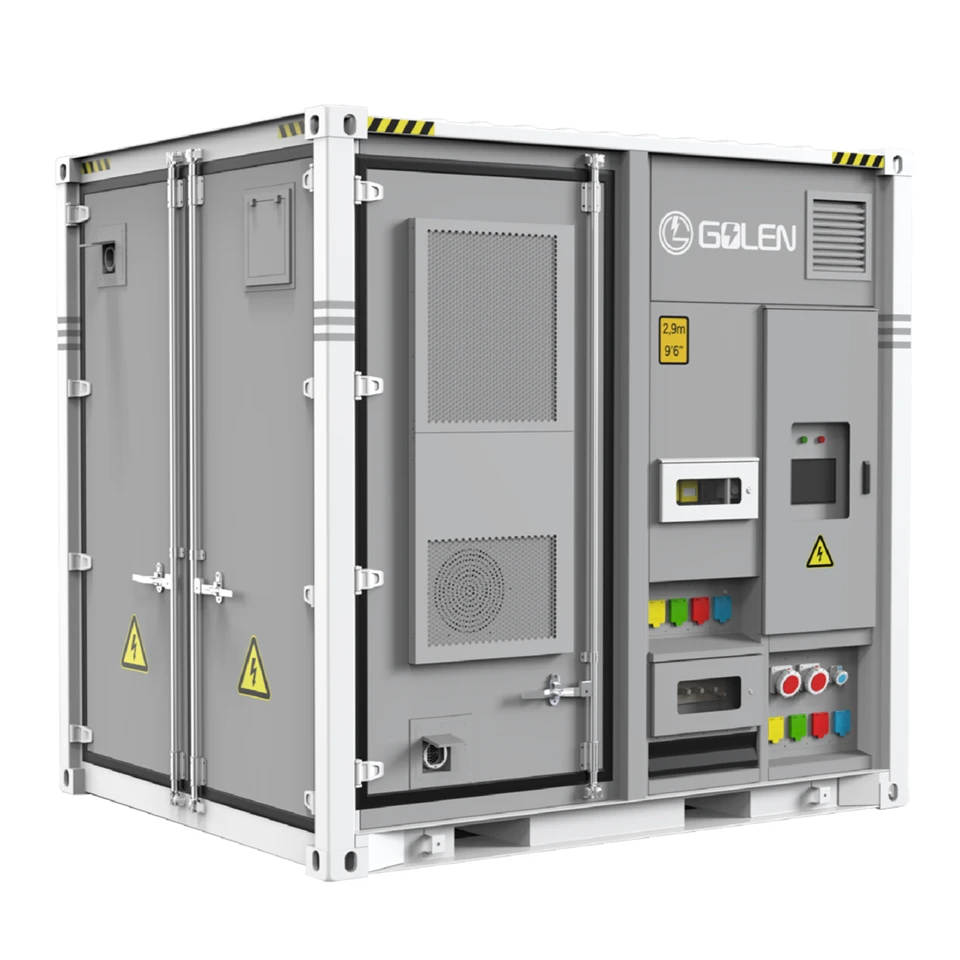
For smaller - scale applications, our ESS Container Box 10FT is a cost - effective option. It's designed with a simple yet effective air - cooling system that can keep the batteries at the right temperature.
The Impact of Good Thermal Management
When you have a Utility Scale Energy Storage System with proper thermal management, you can expect a lot of benefits.

First, the lifespan of the batteries will be significantly extended. This means you won't have to replace the batteries as often, which can save you a lot of money in the long run.
Second, the efficiency of the system will be improved. With the batteries operating at the optimal temperature, they can store and release energy more effectively, which means you'll get more power out of your energy storage system.
Finally, safety is greatly enhanced. By keeping the temperature under control, you reduce the risk of fire and explosion, which is crucial for any large - scale energy storage system.
Contact Us for More
If you're in the market for a Utility Scale Energy Storage System and want to learn more about our thermal management solutions, we'd love to hear from you. Whether you're a utility company looking to store excess energy or a renewable energy project developer in need of reliable energy storage, we have the expertise and products to meet your needs.
Get in touch with us to discuss your specific requirements and start a conversation about how our Utility Scale Energy Storage Systems can work for you.
References
- Smith, J. (2020). Thermal Management in Energy Storage Systems. Journal of Energy Storage, 32, 101890.
- Johnson, A. (2019). The Importance of Temperature Control in Utility - Scale Batteries. Energy Review, 45(2), 78 - 85.