

Yo, I'm a supplier of Utility Scale Energy Storage Systems, and I've been diving deep into how these bad boys interact with energy market policies. It's a wild ride, but I'm here to break it down for you.
Let's start with the basics. Utility Scale Energy Storage Systems are like the unsung heroes of the energy world. They store large amounts of energy, usually from renewable sources like solar and wind, and then release it when it's needed most. This helps to balance the grid, reduce energy costs, and increase the reliability of the energy supply.
But here's the thing: energy market policies can have a huge impact on how these systems operate and how profitable they are. For example, some policies encourage the use of renewable energy by offering subsidies or tax credits. This can make it more attractive for utilities and other energy providers to invest in Utility Scale Energy Storage Systems, since they can use them to store and distribute the renewable energy they generate.
On the other hand, some policies may discourage the use of energy storage by imposing fees or regulations. For example, some states have implemented a "demand charge" on energy storage systems, which means that the owner of the system has to pay a fee based on the maximum amount of energy they draw from the grid during a certain period of time. This can make it more expensive to operate an energy storage system, especially if it's used to store energy during off-peak hours and then release it during peak hours.
So, how do we navigate these complex policies? Well, it starts with understanding the different types of energy market policies and how they affect Utility Scale Energy Storage Systems. Here are some of the most common policies and how they interact with energy storage:
Renewable Energy Standards (RES)
Renewable Energy Standards are policies that require utilities to generate a certain percentage of their electricity from renewable sources. These policies are designed to reduce greenhouse gas emissions and promote the use of clean energy.
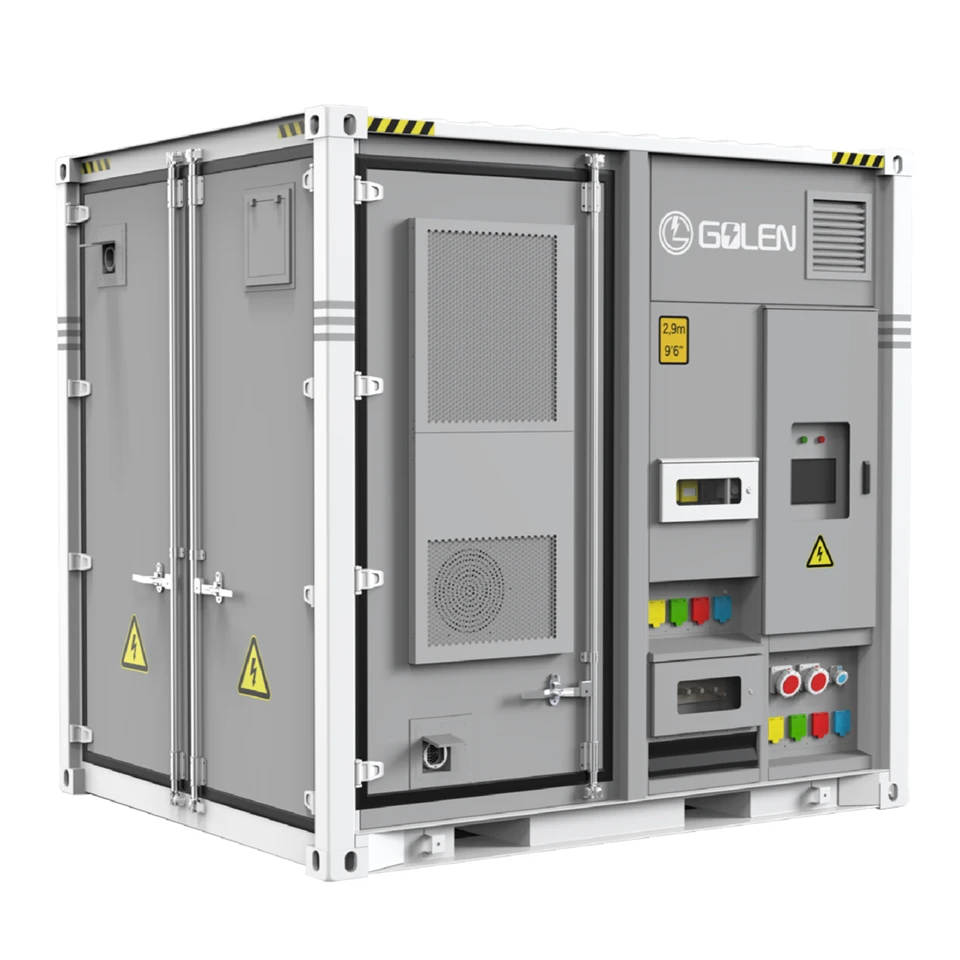

Utility Scale Energy Storage Systems can play a crucial role in helping utilities meet their RES targets. By storing excess energy generated by renewable sources, energy storage systems can help to ensure that the energy is available when it's needed most, even when the sun isn't shining or the wind isn't blowing. This can help to increase the reliability of the renewable energy supply and make it more attractive for utilities to invest in renewable energy projects.
Feed-in Tariffs (FiTs)
Feed-in Tariffs are policies that offer a fixed payment to energy producers for every kilowatt-hour of electricity they generate from renewable sources. These policies are designed to encourage the development of renewable energy projects by providing a guaranteed revenue stream for energy producers.
Utility Scale Energy Storage Systems can also benefit from Feed-in Tariffs. By storing excess energy generated by renewable sources, energy storage systems can help to ensure that the energy is available when it's needed most, even when the sun isn't shining or the wind isn't blowing. This can help to increase the value of the renewable energy generated by the energy producer and make it more attractive for them to invest in energy storage systems.
Capacity Markets
Capacity Markets are policies that pay energy providers for their ability to provide electricity during times of high demand. These policies are designed to ensure that there is enough electricity available to meet the needs of consumers, even during peak periods.
Utility Scale Energy Storage Systems can participate in Capacity Markets by providing energy during times of high demand. By storing excess energy during off-peak hours and then releasing it during peak hours, energy storage systems can help to reduce the need for new power plants and improve the reliability of the energy supply.
Time-of-Use (TOU) Pricing
Time-of-Use Pricing is a policy that charges consumers different rates for electricity based on the time of day they use it. These policies are designed to encourage consumers to use electricity during off-peak hours, when the cost of electricity is lower.
Utility Scale Energy Storage Systems can benefit from Time-of-Use Pricing by storing excess energy during off-peak hours and then releasing it during peak hours. This can help to reduce the cost of electricity for consumers and improve the efficiency of the energy grid.
So, as you can see, energy market policies can have a huge impact on how Utility Scale Energy Storage Systems operate and how profitable they are. But here's the good news: there are also a lot of opportunities for energy storage providers to work with policymakers and regulators to develop policies that support the growth of the energy storage industry.
For example, we can advocate for policies that provide incentives for the development of energy storage systems, such as subsidies, tax credits, and grants. We can also work with policymakers to develop regulations that are fair and reasonable for energy storage providers, such as regulations that allow energy storage systems to participate in energy markets on an equal footing with other energy providers.
At [Company Name], we're committed to working with policymakers and regulators to develop policies that support the growth of the energy storage industry. We believe that Utility Scale Energy Storage Systems have the potential to play a crucial role in the transition to a clean, reliable, and affordable energy future, and we're excited to be a part of that future.
If you're interested in learning more about our Utility Scale Energy Storage Systems, or if you're interested in discussing how we can work together to develop policies that support the growth of the energy storage industry, please don't hesitate to [Contact Us]. We'd love to hear from you!
References
- "Electric Power Battery Storage" /ess-container/electric-power-battery-storage.html
- "ESS Container Box 10FT" /ess-container/ess-container-box-10ft.html
- "BESS Container 10FT" /ess-container/bess-container-10ft.html