

Hey there, energy enthusiasts! I'm part of a utility scale energy storage systems supplier, and today I want to chat about how our systems play a huge role in reducing transmission congestion.
First off, let's get a clear idea of what transmission congestion is. Picture the power grid as a big highway system. When there's too much traffic on the grid, just like on a busy highway, it leads to slowdowns and bottlenecks. Transmission congestion happens when the demand for electricity in a certain area exceeds the grid's ability to carry that power. This can result in power outages, higher costs for electricity, and inefficiencies in the whole energy delivery process.
So, how do our utility scale energy storage systems come into the picture? Well, one of the key ways is by providing peak shaving. During times of high electricity demand, like hot summer afternoons when everyone has their air - conditioners running, the grid can get overloaded. Our energy storage systems can store electricity during off - peak hours when the demand is low. When the peak demand hits, these systems discharge the stored electricity into the grid. This helps to reduce the pressure on the transmission lines because the additional power doesn't have to be transmitted all the way from power plants. It's like having a backup lane on the highway that can be opened up during rush hour.
For example, let's say there's a large industrial area in a city. During the day, the factories in this area consume a massive amount of electricity. Without energy storage, the grid has to transmit all that power from distant power plants, which can cause congestion. But with our utility scale energy storage systems, we can store electricity at night when the factories are closed and release it during the day. This way, we're taking some of the load off the transmission lines and making the whole process more efficient.
Another important aspect is load leveling. Energy demand isn't constant throughout the day. There are times when the demand is really high, and other times when it's quite low. Our energy storage systems can help to smooth out these fluctuations. They act like a buffer, absorbing excess electricity when the demand is low and supplying it when the demand is high. This means that the power flow on the transmission lines becomes more stable. A more stable power flow reduces the chances of congestion because the grid doesn't have to deal with sudden spikes in demand.
Renewable energy integration also plays a big part in reducing transmission congestion, and our energy storage systems are crucial in this regard. Renewable energy sources like solar and wind are intermittent. The sun doesn't always shine, and the wind doesn't always blow. This can create problems for the grid because the power output from these sources can be unpredictable. When there's a lot of solar power being generated during the day but the demand is low, our energy storage systems can store that excess power. Then, when the sun goes down and the demand increases, the stored energy can be released. This helps to balance the power supply from renewable sources and reduces the need to transmit large amounts of power over long distances to areas where it's needed.
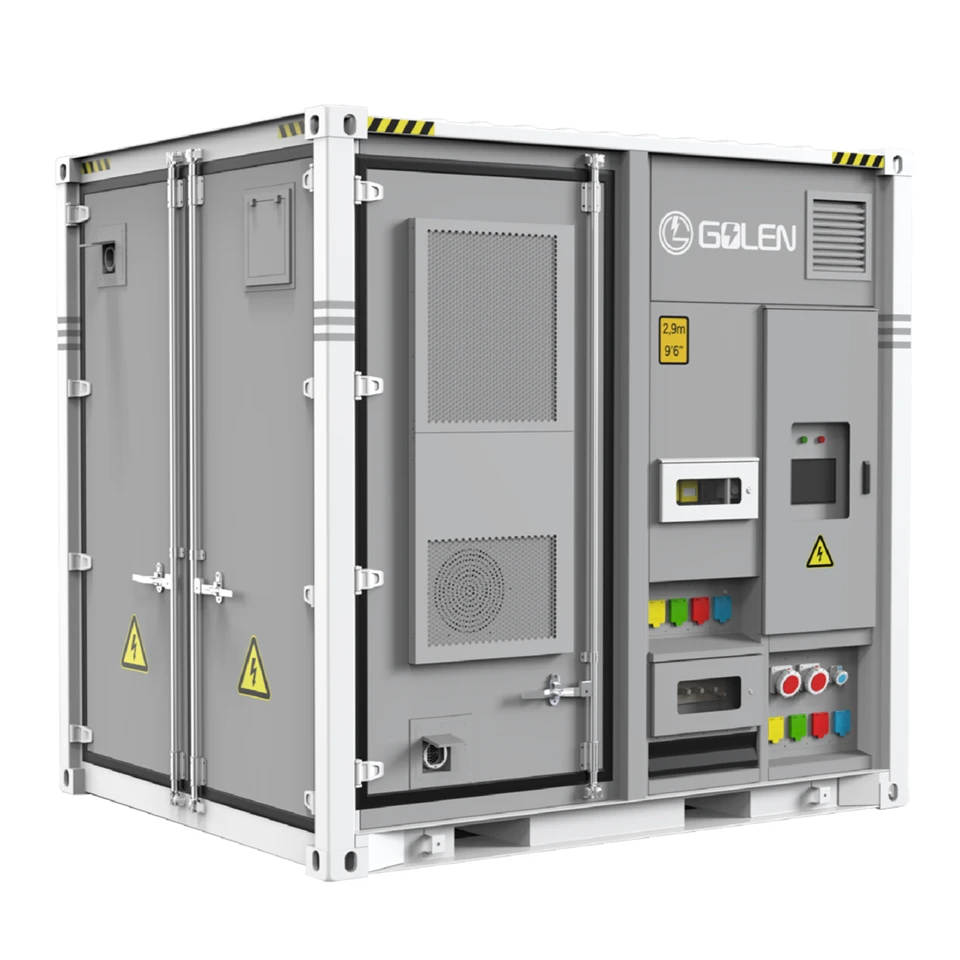

Now, let me tell you a bit about some of our products. We have the Large Energy Storage system. This is a high - capacity storage solution that can store a significant amount of electricity. It's perfect for large - scale applications where a lot of power needs to be stored and discharged as required. Whether it's for a large industrial complex or a whole community, this system can make a big difference in reducing transmission congestion.
Our ESS Container Box 10FT is another great option. It's a more compact and flexible storage solution. It can be easily installed in different locations, even in areas with limited space. This is useful for smaller communities or specific industrial sites where a smaller - scale energy storage solution is needed.
And then there's the Utility - Scale Mv Station. This is a comprehensive system that combines energy storage with other components to manage the power at a medium - voltage level. It's designed to work seamlessly with the existing grid infrastructure and can effectively reduce transmission congestion at the utility scale.
In addition to these technical benefits, our utility scale energy storage systems also have economic advantages. By reducing transmission congestion, we can avoid the need for costly upgrades to the transmission infrastructure. Building new transmission lines is extremely expensive and time - consuming. Our energy storage systems offer a more cost - effective alternative. They can be installed relatively quickly and can start providing benefits right away.
Moreover, they can also help to reduce electricity costs for consumers. When the grid is operating more efficiently and there's less congestion, the overall cost of electricity generation and distribution goes down. This means that consumers can enjoy lower electricity bills, which is always a plus.
So, if you're in the market for a solution to reduce transmission congestion, our utility scale energy storage systems are definitely worth considering. We've got the technology, the experience, and the products to make a real difference. Whether you're a utility company, an industrial operator, or a community looking to improve your energy infrastructure, we can provide a customized solution that meets your specific needs.
If you're interested in learning more about our products or want to discuss a potential project, don't hesitate to reach out. We're always happy to have a chat and see how we can help you solve your energy - related problems and reduce transmission congestion.
References
- Oren, Shmuel S. "Transmission Congestion Contracts in Restructured Electricity Markets." Handbook of Energy Economics. Vol. 1. Elsevier, 2013. 173 - 208.
- Denholm, Paul, and Robert Margolis. "The Role of Energy Storage with Renewable Electricity Generation." Energy Policy 38.9 (2010): 5366 - 5375.
- Sioshansi, Ramteen, and Walter Short. "Energy Storage and Its Use with Intermittent Renewable Energy." Energy Policy 37.10 (2009): 4081 - 4088.