

Hey there, fellow energy enthusiasts! As a supplier of residential energy storage systems (ESS), I often get asked a common question: "Is a residential ESS noisy during operation?" Today, I'm gonna dive deep into this topic and share some insights based on our experience in the industry.
First things first, it's important to understand what a residential ESS is and how it works. In simple terms, a residential ESS is a system that stores electrical energy for later use. It typically consists of batteries, an inverter, and a control unit. The inverter is a crucial component that converts the direct current (DC) stored in the batteries into alternating current (AC) that can be used to power your home appliances.
Now, let's get to the main question: Is a residential ESS noisy during operation? The answer is, it depends. Most modern residential ESSs are designed to operate quietly, especially when compared to traditional generators. However, there are a few factors that can contribute to noise during operation.
One of the main sources of noise in a residential ESS is the inverter. The inverter contains electronic components that generate heat, and to prevent overheating, it often has a cooling fan. This fan can produce a humming or whirring sound, especially when the inverter is working hard to convert a large amount of energy. The noise level of the fan can vary depending on the size and design of the inverter.
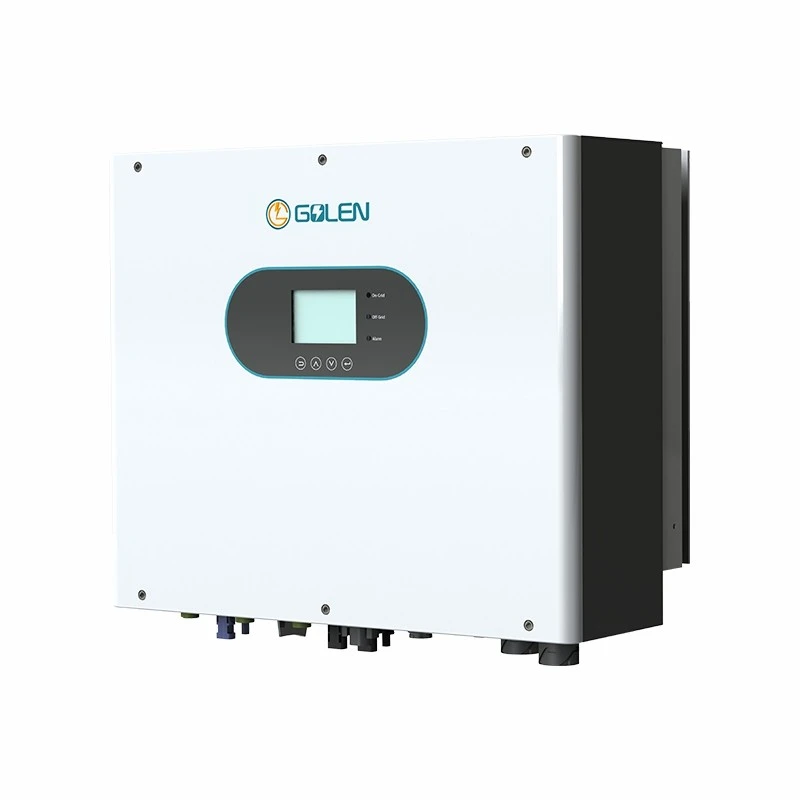
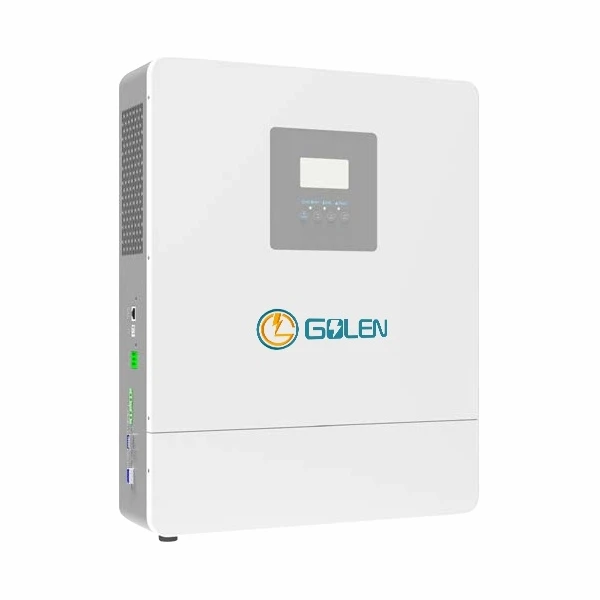
For example, our Hybrid Off Grid Inverter 3kW is designed with a high - efficiency cooling system that minimizes noise. The fan in this inverter is engineered to operate at low noise levels even during peak performance. Similarly, our 8kW Solar Hybrid Inverter and Hybrid Off Grid Inverter 5kW also feature advanced cooling technologies to keep the noise down.
Another factor that can affect the noise level of a residential ESS is the installation location. If the ESS is installed in a small, enclosed space with poor ventilation, the heat buildup can cause the cooling fan to work harder, resulting in increased noise. On the other hand, if the ESS is installed in a well - ventilated area, the fan can operate more efficiently and quietly.
It's also worth noting that the noise level of a residential ESS can change over time. As the components age, they may start to produce more noise. Regular maintenance can help to keep the noise level in check and ensure that the system is operating at its best.
So, how noisy are residential ESSs in real - world scenarios? In general, the noise level of a well - designed and properly installed residential ESS is comparable to the noise of a refrigerator or a small air conditioner. Most people find the noise to be tolerable and not a significant disruption to their daily lives.
If you're still concerned about the noise level of a residential ESS, there are a few things you can do. First, you can choose an inverter with a low - noise design. Look for models that have been specifically engineered to reduce noise, such as those with variable - speed fans or advanced heat dissipation technologies.
Second, you can pay attention to the installation location. Make sure the ESS is installed in a well - ventilated area away from living spaces, such as a garage or a utility room. You can also use sound - insulating materials to further reduce the noise.
In conclusion, while a residential ESS may produce some noise during operation, it's usually not a major issue. With the right design, installation, and maintenance, you can enjoy the benefits of a residential ESS without being bothered by excessive noise.
If you're interested in learning more about our residential ESS products or have any questions about noise levels or other aspects of our systems, we'd love to hear from you. Whether you're looking for a small - scale solution or a larger system to power your entire home, we've got the expertise and the products to meet your needs. Reach out to us for a detailed discussion and let's start exploring how a residential ESS can transform your energy usage.
References
- Industry reports on residential energy storage system technology
- Manufacturer specifications for inverter models